Industry news
Outdoor-ad consent: four official pages to open first
GOV.UK, Planning Portal, FHWA, and NYC Buildings — what each page changes in a buyer RFQ.

Outdoor advertising permission is not a vibe. It is a published rule set. This week’s note tracks four official pages a buyer should open before asking a supplier for a digital or static roadside unit. Each fact below names a primary source. None of this is legal advice. Verify the current text on the cited site before you issue an RFQ.
United Kingdom — deemed consent is not a free-for-all
In England, many outdoor advertisements sit under the Town and Country Planning (Control of Advertisements) (England) Regulations. The government overview of outdoor advertising and signs is published at gov.uk guidance on advertisements. That page is the correct first click for a UK buyer, not a forum summary. It explains that some classes have deemed consent and others need express consent from the local planning authority.
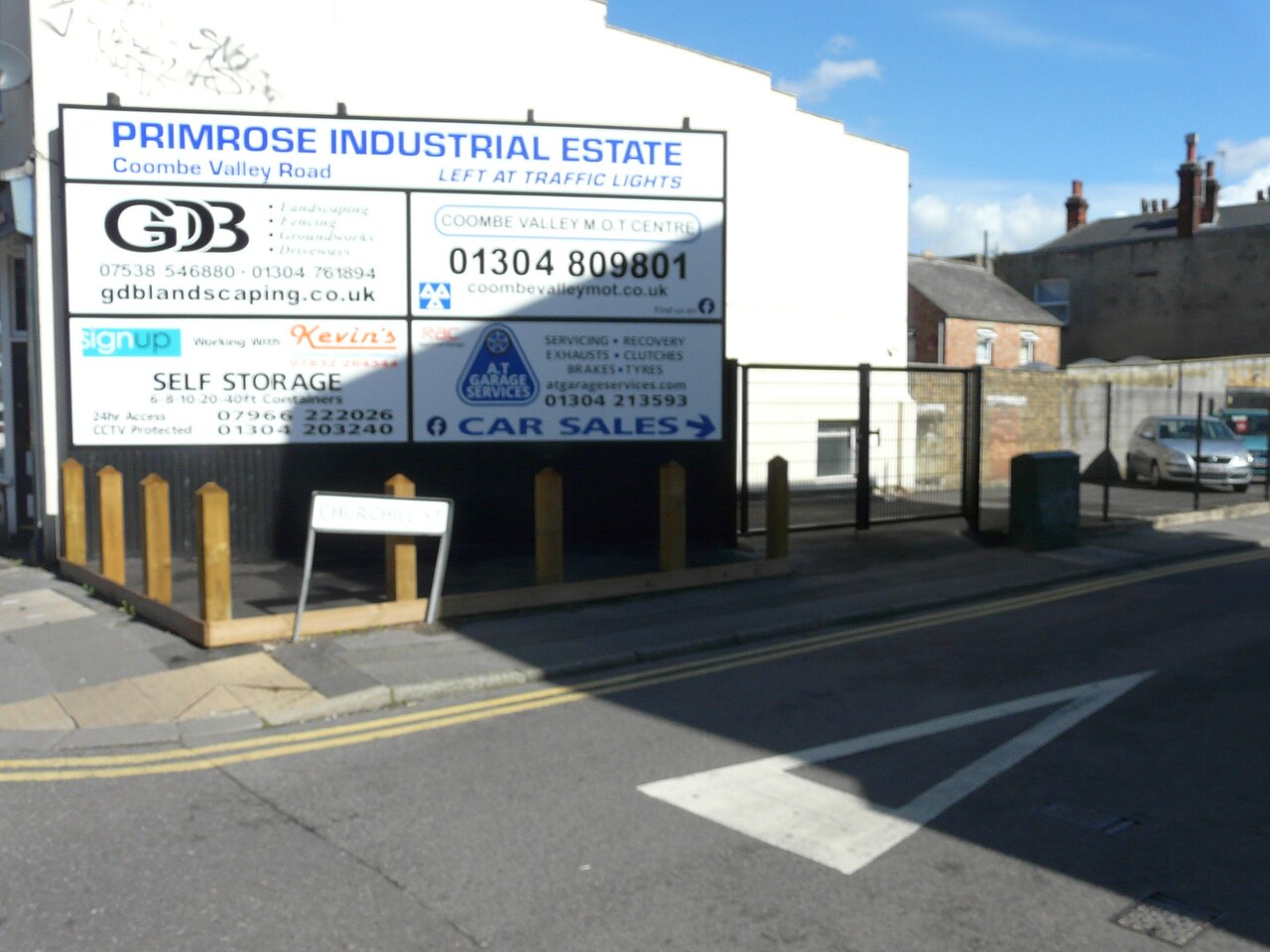
What it changes for a buyer. Ask the supplier which consent class they assume. A “like-for-like replacement” of an illuminated fascia is not automatically the same class as a new digital totem. Put the assumed class in the RFQ so quotes are comparable.
Planning Portal — the working form, not the essay
The Planning Portal documents how advertisement consent applications are lodged in England and Wales. Start at Planning Portal advertisement consent. Use it to see the drawings a council actually expects: elevation, illumination details, and sometimes a lighting assessment.
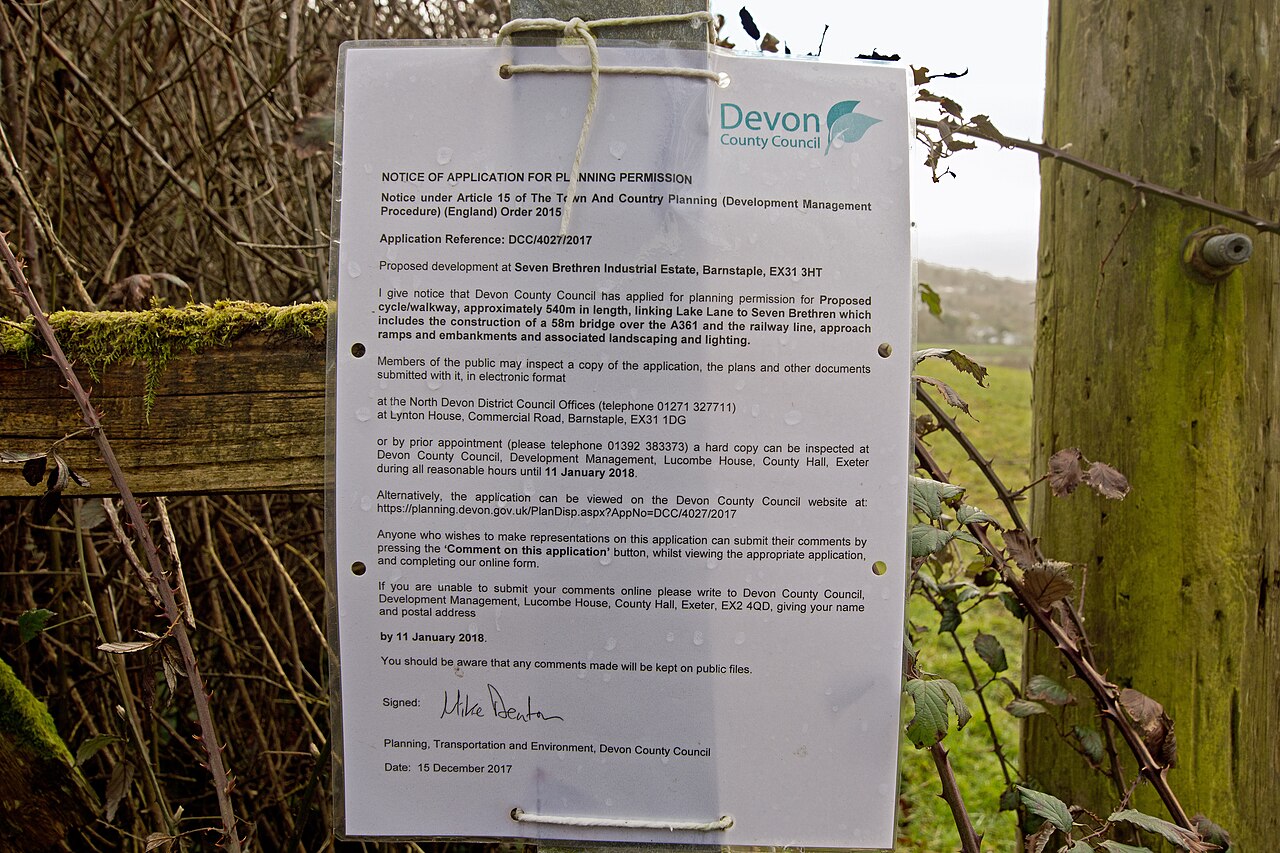
What it changes for a buyer. Budget a drawing pack in the same PO as the steel. A cheap cabinet with no planning set is not a cheap project.
United States — federal outdoor advertising is a highway topic
If the site sees a controlled-access highway, the federal overlay matters. The Federal Highway Administration outdoor advertising pages live under FHWA Outdoor Advertising Control. States then write their own manuals on spacing, lighting, and digital change interval. FHWA is the parent policy page; it is not a city permit.
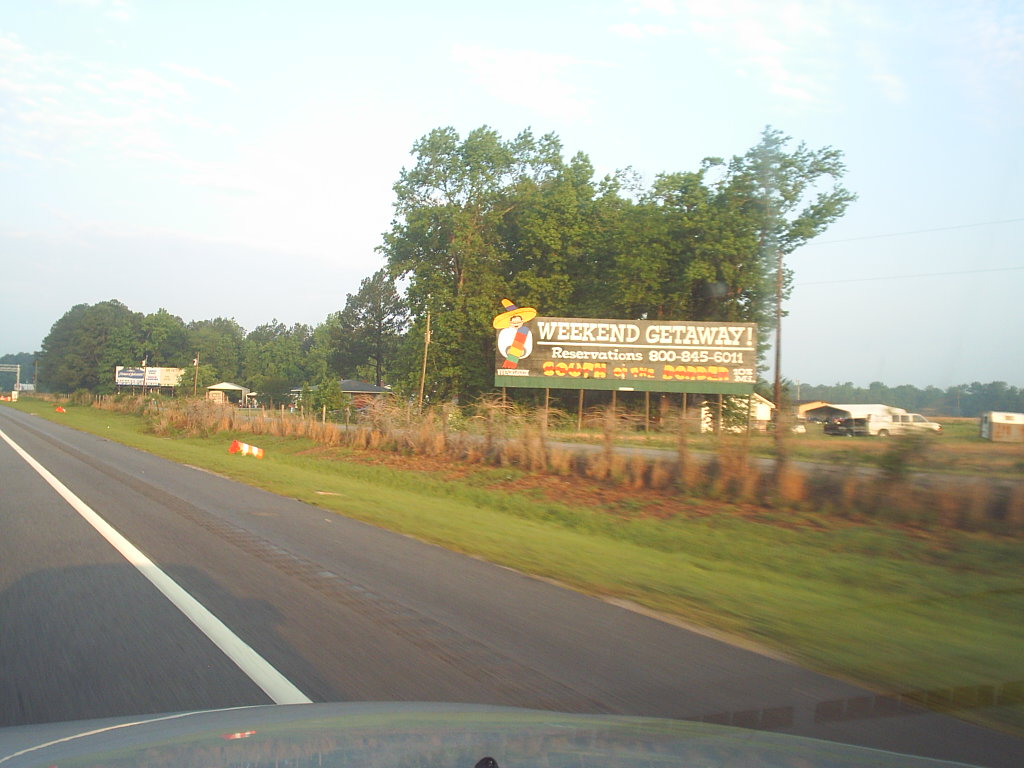
What it changes for a buyer. Ask the supplier whether the site is inside a federal-aid highway control zone. If yes, a city electrical permit is not enough. Your RFQ should name the state outdoor advertising administrator as a stakeholder.
A city example — New York City buildings
Large cities publish their own sign and illuminated-sign rules on top of state outdoor advertising. New York City’s Department of Buildings maintains sign-related pages on nyc.gov/buildings. Use the city site for illuminated sign permits and inspections; do not copy a blog that paraphrases the code.
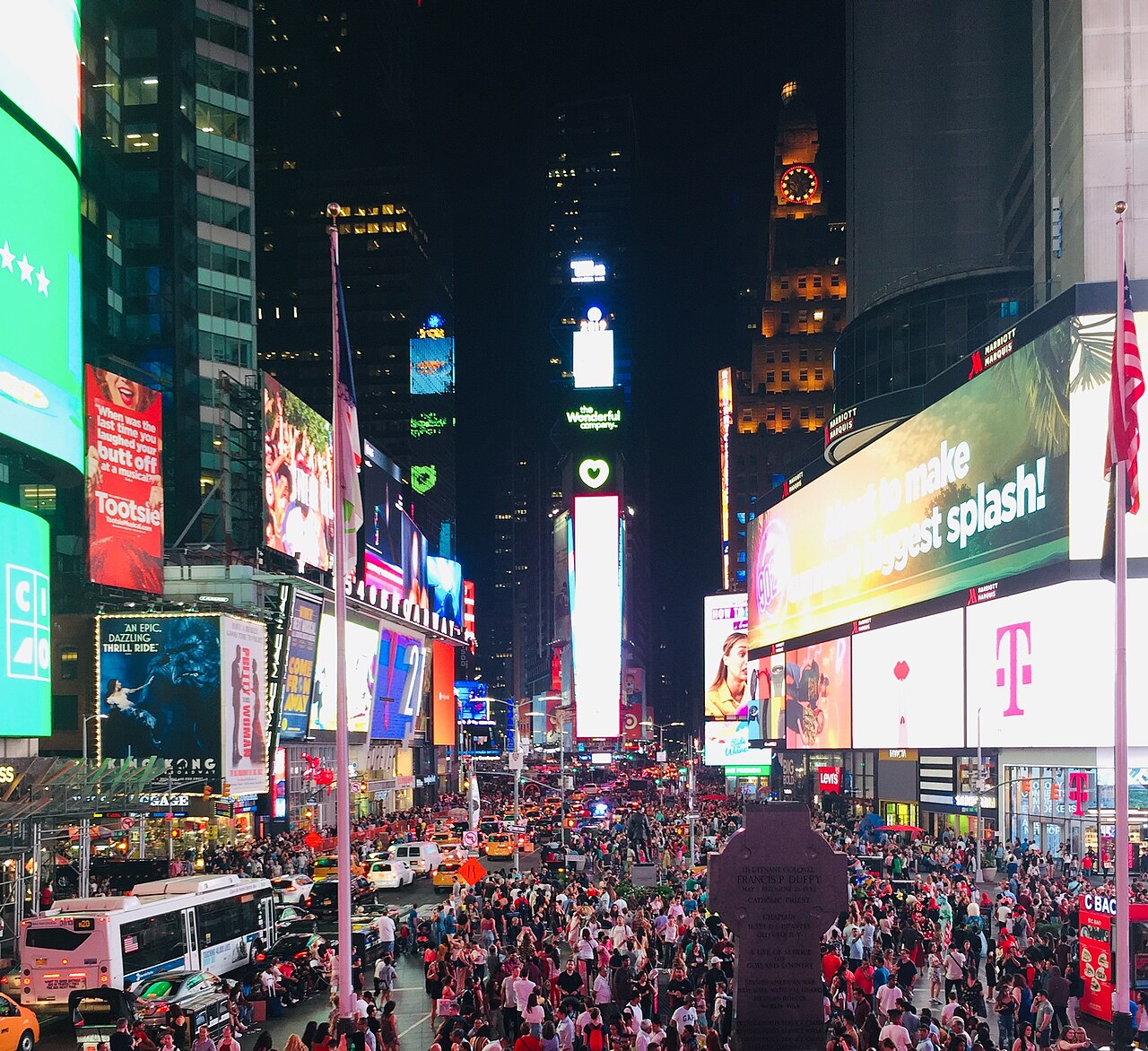
What it changes for a buyer. Split the PO: structure and faces from the sign company; filings from whoever holds the local expeditor licence. Mixing those roles in one vague line item is how digital boards stall for a season.
How to write the RFQ this week
Open the four links above, paste the URLs into the RFQ appendix, and add five fields the quotes must fill: consent path (deemed / express / state OAC / city electrical), illumination type and night-time candela or nits, dwell time if the face is digital, foundation responsibility, and who files. If two quotes skip the consent path, they are not cheaper—they are incomplete.
Then use the GSS outdoor-billboard heading to shortlist fabricators who already publish a website in the country of install. A directory card is not a permit. It is a way to stop emailing random agencies. The policy pages remain the source of truth. Re-open them the week you submit, because guidance pages move.
If your site is not UK or US, still copy the method: one national planning or highways page, one application portal, one local building department, one sentence in the RFQ that names all three. That pattern travels. The URLs above are the worked example for this week’s English-language buyers.
Do not ask a supplier to “handle permits” without naming which permit. Outdoor advertising, building, and electrical are different counters in most cities. A complete quote lists them. An incomplete quote hides them in a contingency line you will pay twice.
Keep a short evidence pack next to the RFQ: screenshots of the four official pages with the date you opened them, the parcel address, and a photo of any existing structure you intend to replace. When a planner asks “what class are you claiming?”, you can answer with a URL and a date instead of a memory. That pack also protects you when a supplier says “we always do it this way in this town.” Always is not a class.
If the project is a digital face on an existing static structure, write two consent questions, not one: does the structure already have consent, and does a change of illumination type or dwell time trigger a new application? Those are different answers on the GOV.UK guidance page and on most US state OAC manuals. A quote that prices only the LED cabinets has not priced the second question. Put both on the first page of the RFQ so the conversation starts complete.
Revisit the four official pages the week you submit. Guidance notes move, and a PDF you saved last year may describe a class that the live page no longer uses. The method stays: cite the live URL, name the consent path, split the filings, compare only quotes that filled the five fields.